


By Tim Blair, Environmental Technician
Since at least the 1800s, Maine has been known as a fishing destination. With dense forests and pristine lakes, ponds, and rivers, anglers have come from all over to visit the Pine Tree State and to experience the “wildness” that still exists to this day. However, as more land is developed and the population increases, we are already seeing some changes to Maine’s landscape and waters.
Better roads and highways, more comfortable cars, and remote work options have made rural living more attractive and accessible over the years. This has resulted in new lots being carved out on the water and the conversion of older, smaller camps into year-round homes with many of the amenities found in more suburban locations. This development can be the source of nutrient loading from reduced vegetative cover, erosion, fertilizers, pathogens from pet or human waste, and pesticides and herbicides. This can result in health concerns, increased algal growth, decreased water clarity, and oxygen depletion, which harms fish, wildlife, and other aquatic organisms.

One of the key factors in determining water quality is water clarity. As clarity decreases, the appeal of lakes and the recreation opportunities they provide, as well as the value of the surrounding real estate, also decreases. According to the Maine Department of Environmental Protection, recreationists report good water quality and safety from bacterial contamination as the most important considerations when choosing a lake destination.
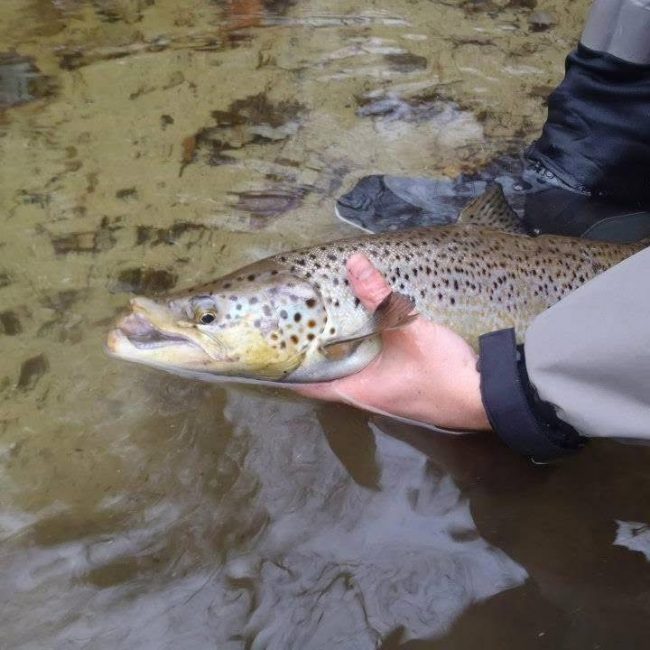
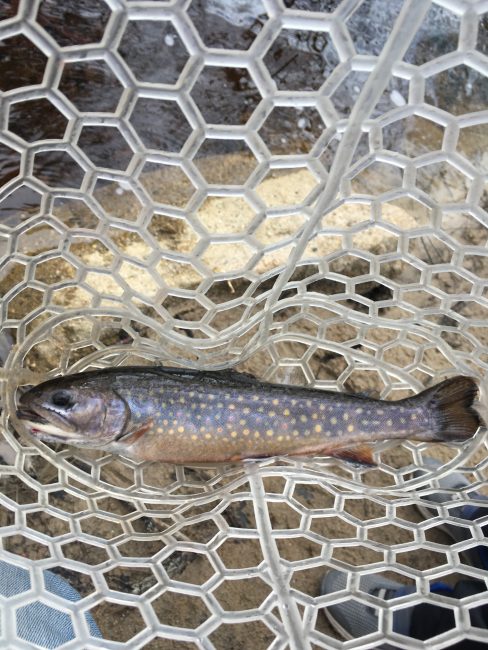
As shoreland development increases, food sources, habitat, and reproduction rates for species such as brook trout and landlocked salmon decline. Lakes and tributaries without naturally vegetated shorelines are less resilient to climate and temperature change and do little to filter stormwater, which can result in siltation of fish spawning grounds. Fish species like salmon and trout greatly benefit from leaving fallen logs and snags in the water, overhanging limbs that provide shade, and a buffer of intact and robust vegetation along the shoreline.LEA works on water quality restoration projects across our service area. Past projects have included dam removals, replacement and upgrading of undersized culverts, and installation of waterfront plantings that help ensure these natural systems continue to be a destination for anglers, residents, and visitors alike. But you can also play an important role. LEA provides free technical assistance to members in the form of property consultations. We are also part of a statewide outreach program called LakeSmart, which helps waterfront homeowners sustainably manage their land to protect water quality. The program is free, non-regulatory, and voluntary. Participating homeowners receive individualized suggestions for keeping pollutants from storm runoff out of our lakes. To schedule a consultation, reach out to emlyn@mainelakes.org. More information about the LakeSmart program is available here.
